
The Erastus pavement
GradeDisputed
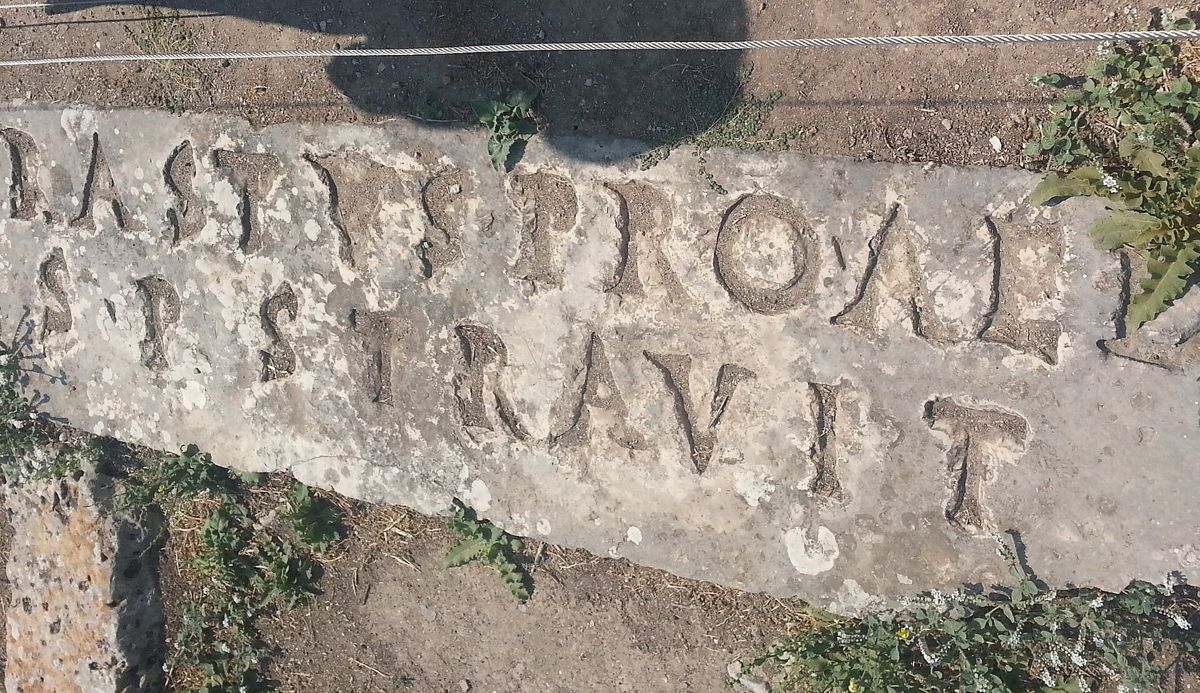
Paul, writing from Corinth, sends greetings from "Erastus the chamberlain of the city" (). In a paved area northeast of the theatre at Corinth, excavators (1928-29 and 1947) found an inscription: "Erastus in return for his aedileship paved it at his own expense." The excavator, Shear, identified this Erastus with Paul's. If they are the same man, a member of the Corinthian church was a city magistrate of means, which bears on the social standing of Paul's churches and shows the early Christians were not drawn only from the poor.
Disputed. The inscription is authentic, but its date is disputed (possibly the mid-1st century), and so is its link to Paul's Erastus. Some scholars identify the two men; others do not.
Explore the counterarguments
Paul's Erastus holds a different office: Paul calls him the city's oikonomos (steward), which is probably not the same post as an aedile. Erastus was not a rare name, and the date of the pavement is uncertain, so the inscription may well name a different man.