
The Caiaphas ossuary
GradeProbable
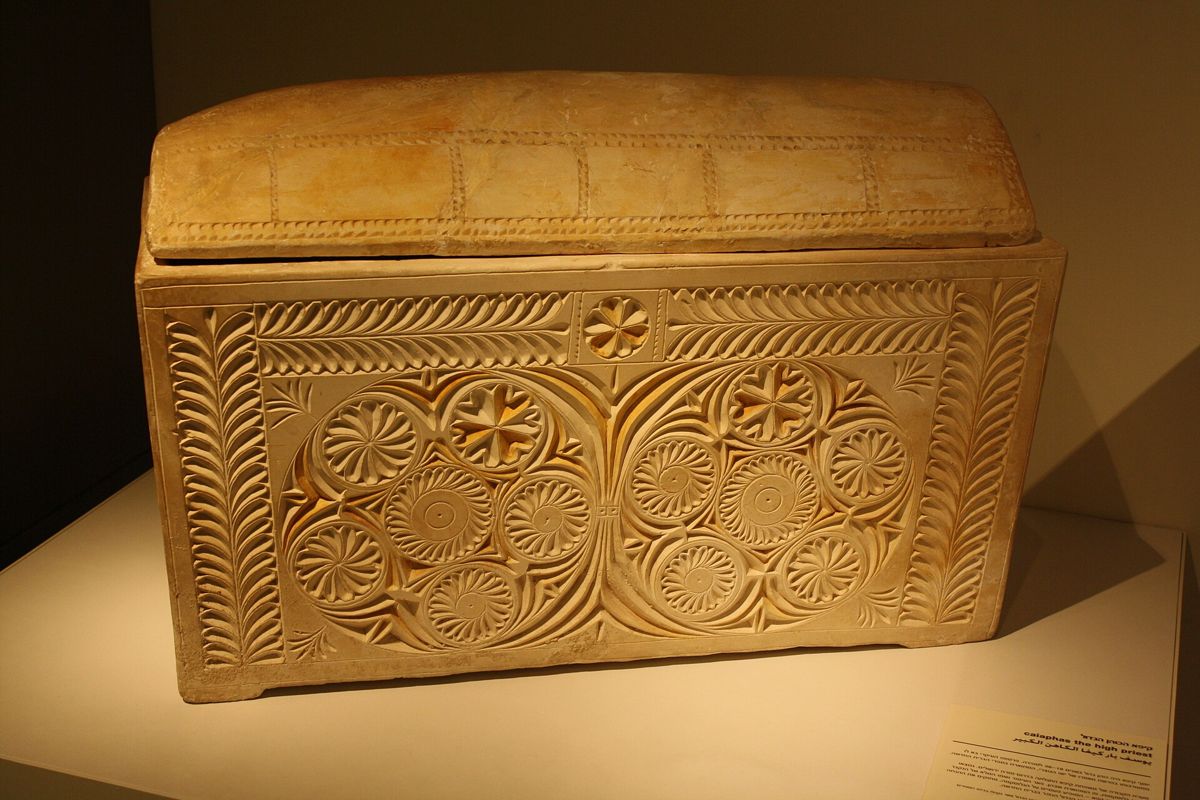
The Gospels name the high priest at Jesus' trial as Caiaphas, "which was the high priest that same year" (). In 1990 a burial cave in south Jerusalem yielded twelve ossuaries (stone boxes for the bones of the dead). One, ornately carved, is inscribed "Yehosef bar Qayafa" and "Yehosef bar Qafa", "Joseph son of Caiaphas", and held among others the bones of a man of about 60. The Jewish historian Josephus calls the high priest of that time "Joseph, who was also called Caiaphas", which matches the name on the box. A second ossuary, looted but authenticated (2011), names "Miriam daughter of Yeshua son of Caiapha, priest of Ma'aziah". Christians see in these finds a wealthy priestly family of Caiaphas, buried in Jerusalem in the 1st century, just as the Gospels and Josephus describe.
Probable. The ossuary is authentic and of the 1st century. Its link to the high priest of the Gospels is likely but not certain. It shows a wealthy priestly family named Caiaphas buried in Jerusalem in the 1st century, consistent with the Gospels and Josephus.
Explore the counterarguments
Some scholars question how the name on the box should be read, or whether this Joseph is the high priest. Like the Pilate stone, it would confirm a person in the setting, not the events of the trial.